A Standing AI Advisor
Somebody has to know which three things actually matter.
Almost every company I talk to has tried. Somebody ran a pilot, a few developers got Copilot licenses, marketing built a chatbot, and there's a deck somewhere from six months ago with the word "transformation" in the title. Ask what any of it did to the actual speed of the business and the room goes quiet.
The tools are astonishing and they get better every few weeks. That isn't where companies are stuck. Somebody has to know which of the fifty things you could do this quarter are the three that will matter, and that person needs to have actually built with these tools rather than read about them.
That's the job I do. Not a project, not an implementation contract, not a body I place in your org chart. A person your team can put a hard question to and get a real answer from, on a schedule, every month.
The shape adjusts to your team. The substance doesn't.
In the first month I go through how your teams actually work and come back with a ranked list of where AI makes you faster, what it costs, and what it breaks. Ranked, not brainstormed. Most of the list is things you will decide not to do, which is the point.
Recurring time with your engineers and your leadership, in the room or on the call, on whatever is live right now. Architecture reviews, build-or-buy calls, model selection, the pull request nobody is sure about.
Your team can reach me between sessions. This is where most of the value shows up, because the question that matters is usually the one somebody has on a Tuesday afternoon, not the one they saved for the monthly.
I have spent years teaching programmers to work with these tools, and your developers get the same material and the same direct access my students get. Seats in The AI Pro, my private community for working engineers, are part of the retainer.
This field moves faster than any internal team can track while also shipping. Keeping up is my job, so it stops having to be theirs. You get the filtered version: what changed, what it means for you, and what to ignore.
I don't resell anybody's platform, I take no referral fees, and I have no staffing bench to keep busy. The only thing I'm selling is the retainer, which means the honest answer and the profitable answer are the same answer.
Retainers run month to month. No annual lock-in, no termination fee, thirty days notice either way.
This fits companies with a competent engineering group who mostly need direction and a second opinion they trust. You are not short on talent. You are short on somebody who has already made these mistakes.
Every month you get:
This fits companies where AI is going into the product itself and the cost of getting the architecture wrong is measured in quarters, not sprints.
Everything above, plus:
If I'm not earning it, you should be able to stop paying for it easily. I'd rather keep the work honest than keep it contractual.
Thirty minutes to see whether I can actually help you, because sometimes I can't and I would rather say so than sell you a retainer.
The opportunity map. How your teams work today, where AI makes them faster, what it costs, and what it breaks. Ranked, with a recommendation.
We settle into working sessions and async access, and adjust the cadence to what your team actually needs rather than what the contract says.
Thirty days notice either way, no termination fee. Every month is a decision you get to make again, which is the only real accountability there is.
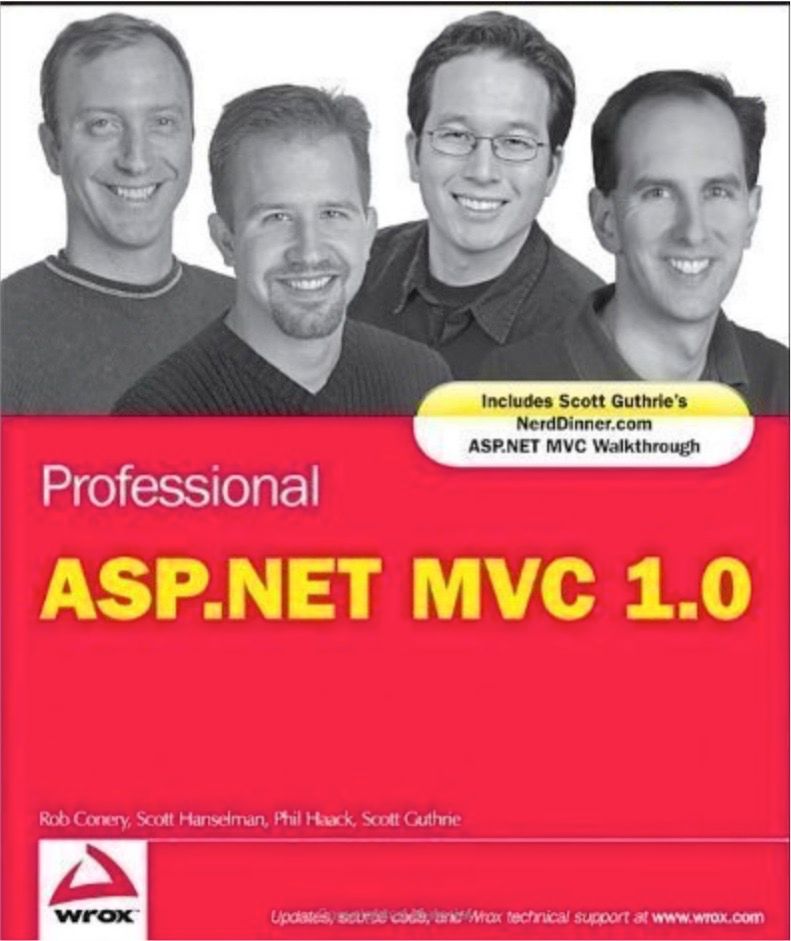
I have been building software professionally since 1998 and teaching it for most of that time. I spent three years on the VS Code team at Microsoft, where I built the AI and Copilot workshops and curriculum that taught the team behind the tools your engineers already use. Before that I was the ASP.NET MVC Community Lead. Along the way I founded Tekpub, a developer screencast company that Pluralsight thought was worth acquiring, and wrote The Imposter's Handbook, which has sold about 30,000 copies.
These days I split my time between advising companies on AI and teaching programmers to master it, through videos, courses, and live cohorts that reach an audience of roughly 15,000 developers.
I write the code. I use these tools every day on my own products, I break them regularly, and the opinions I bring you are ones I paid for with my own time.
Grab a slot on my calendar and tell me what your teams ship and what you've already tried. If I'm not the right person for it, I'll say so and point you at who is. If you'd rather write first, email works too: I read and answer everything myself, usually within a day.